Sealing Seminar

Sealing Design Technology Seminar

Create a Customized Sealing Technology Seminar
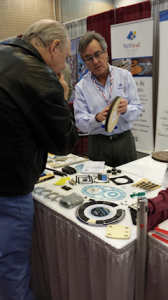
Sealing SeminarWeb Seal can enhance your knowledge of sealing design technology to help you improve your product designs with seminars tailored to…

  • your industry
  • your company
  • your specific project

We offer a selection of topics and times, and can work with you to create either a stand-alone seminar or an addition to another event.

The customized seminars are designed to be hands-on, so you can bring your project specs, problems, questions, or material samples for review and suggested solutions. Seal design considerations will be explored for your specific industry or organization, as well as confidential options for current or in-the-pipeline projects.

Our most popular seminar sessions are 2-hour "Lunch & Learn" style, but we also offer half-day and full-day options.

You can choose from among a variety of topics, including:

  • Precision-engineered sealing design technology overviews
  • Common sealing problems and resolutions
  • Safety and environmental concerns
  • Unique tolerance considerations of gasket materials
  • Engineered seals and molding processes
  • Die-cut enclosure seals
  • Operating conditions and groove design
  • Rubber compounding process
  • Sealing Seminar

  • EMI/RFI considerations
  • Trouble-shooting issues
  • Case studies

Seminars are complimentary for existing Web Seal customers. For others, we can quote you a package based on your needs.

You can save time, money and aggravation with more in-depth knowledge of sealing design technology. Contact the pros at Web Seal to provide you with the educational edge to boost your productivity.

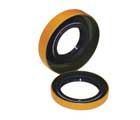
yellow Parker oil seals

Creating a Perfect Oil Seal

A good oil or radial shaft seal is designed to either keep oils or other fluids from leaking out of a mechanical component or to keep contaminants from finding their way in, and many times both.

yellow Parker oil seals

Pumps, mixers, motors, turbines and gear boxes in a variety of industries are susceptible to problems that can be caused by an inadequate sealing system.

To create the perfect oil seal for your equipment, an understanding and an anticipation of the potential damaging factors for your rotary seal are essential.

With the failure of an oil seal, the liquid or gases you are trying to protect could be affected by:

  • An increase of oxidation
  • A decrease in viscosity
  • Unwanted aeration
  • Chemical and physical changes, such as the depletion of additives, increased TAN, sludge or varnish

Your equipment can also be impaired by a failed oil seal by creating:

  • Improper film thickness on the shaft due to excessive lip wear
  • Corrosion
  • Cavities or pits

Determining the best oil seal for your application needs requires a quick review of all installation parameters and operating conditions that will affect the seal including:

  • Shaft finish
  • Shaft speed
  • Internal pressure
  • Operating temperature
  • Fluid compatibility

Leakage can occur at both the seal inside diameter or housing bore diameter.

Static leakage can occur at either.   Leakage occurring at the press-fit at the seal’s outside diameter (OD) can be a result of:

  • the housing bore being too rough
  • damage to the OD during installation (70% of all seal failures are due to cocking during installation)
  • inadequate press fit, due to out-of-range bore tolerance, incorrect seal OD for the bore diameter, or a severely rusted or pitted bore

Leakage at the sealing lip can be caused by damage during installation, shaft condition, or poor internal lubricant draining.

Dynamic leakage normally occurs only at the sealing lip, with damage to the radial shaft seal itself, from poor seal fit, or from operating conditions in excess of those recommended by the manufacturer.

The Seal Specialists at Web Seal can recommend the best sealing solutions for your needs.  We offer more than 700 English and metric Parker and Clipper oil shaft seals for all applications, in sizes ranging from .250” up to 72”.  Traditional metal canned and rubber-coated designs are available along with one-piece bonded seals (typically PTFE-to-elastomer).

We can also help you create any specialty seal design for your specific equipment needs.

Click here for design assistance or to request a quote.